Close Menu
  • FDA
  • Conferences
    • AACR
    • ASBRS
    • ASCO
    • SABCS
    • ASH
    • ESMO
    • MOASC
    • Upcoming Oncology Conferences
  • Cancers
    • Breast Cancer
    • Prostate Cancer Treatment
    • Lung Cancer Treatment
    • Gastrointestinal Cancer Treatment
    • Melanoma Skin Cancer Treatment
    • Non-Hodgkin Lymphoma
    • Kidney
    • Acute Lymphoblastic Leukemia
    • Acute Myelogenous Leukemia
    • Bone Metastases
    • Brain
    • Business Management
    • Cervical
    • Chronic Lymphocytic Leukemia
    • Chronic Myelogenous Leukemia
    • Colorectal
    • COVID-19
    • General
    • Genitourinary
    • Head and Neck
    • Help
    • Hematologic Malignancies
    • Hodgkin Lymphoma
    • Imaging
    • Immunotherapy
    • Liver
    • Lymphoma
    • Multiple Myeloma
    • Myeloproliferative Disease
    • News
    • Non-Small Cell Lung Cancer
    • Other
    • Ovarian
    • Pancreatic
    • Patient Resources
    • Pediatric
    • Sarcoma
    • Sickle Cell
    • Small Cell Lung Cancer
    • Supportive Care
    • Testicular
    • Urology
    • Uterine
  • About
  • Contact
  • Advertise
    • Advertising & Services – Media Kit 2025 OncologyTube.com
    • Oncology Press Release Distribution
Advertisement
X (Twitter) LinkedIn Facebook
X (Twitter) LinkedIn Facebook YouTube
OncologyTube
  • FDA
  • Conferences
    • AACR
    • ASBRS
    • ASCO
    • SABCS
    • ASH
    • ESMO
    • MOASC
    • Upcoming Oncology Conferences
  • Cancers
    • Breast Cancer
    • Prostate Cancer Treatment
    • Lung Cancer Treatment
    • Gastrointestinal Cancer Treatment
    • Melanoma Skin Cancer Treatment
    • Non-Hodgkin Lymphoma
    • Kidney
    • Acute Lymphoblastic Leukemia
    • Acute Myelogenous Leukemia
    • Bone Metastases
    • Brain
    • Business Management
    • Cervical
    • Chronic Lymphocytic Leukemia
    • Chronic Myelogenous Leukemia
    • Colorectal
    • COVID-19
    • General
    • Genitourinary
    • Head and Neck
    • Help
    • Hematologic Malignancies
    • Hodgkin Lymphoma
    • Imaging
    • Immunotherapy
    • Liver
    • Lymphoma
    • Multiple Myeloma
    • Myeloproliferative Disease
    • News
    • Non-Small Cell Lung Cancer
    • Other
    • Ovarian
    • Pancreatic
    • Patient Resources
    • Pediatric
    • Sarcoma
    • Sickle Cell
    • Small Cell Lung Cancer
    • Supportive Care
    • Testicular
    • Urology
    • Uterine
  • About
  • Contact
  • Advertise
    • Advertising & Services – Media Kit 2025 OncologyTube.com
    • Oncology Press Release Distribution
Subscribe
OncologyTube
Home » New Research Suggests Radiation Therapy With Protons Can Benefit Patients With Difficult Liver Tumors
Liver

New Research Suggests Radiation Therapy With Protons Can Benefit Patients With Difficult Liver Tumors

EditorBy EditorOctober 30, 2019No Comments6 Mins Read
Twitter LinkedIn Facebook Email
Share
Twitter LinkedIn Facebook Email

Ask about FDA oncology approvals, clinical trials, and treatment guidelines.

Studies show that proton therapy compared to traditional radiation increases overall survival in patients with inoperable liver cancer and recognizes predictors that reduce complications in the liver.

Two new studies support and inform the use of proton radiation therapy to treat hepatocellular carcinoma (HCC) patients, a common but often fatal type of liver cancer with limited treatment options. One research (Sanford et al.) shows that proton radiation is capable of increasing overall survival with decreased toxicity compared to traditional photon radiation. A second study (Hsieh et al.) identifies predictors that may result from radiation treatments to reduce liver damage. These findings have been published in the International Journal of Radiation Oncology • Biology• Physics, the American Society for Radiation Oncology (ASTRO) flagship scientific journal.

“There is hope for patients with liver cancer, with more treatments becoming available in recent years,” said Laura Dawson, MD, President-elect of ASTRO and a professor of radiation oncology at the Princess Margaret Cancer Center in Toronto. “These studies show that protons, like photons, may be used to treat patients with HCC with a high rate of tumor control and a reduced risk of adverse effects.”

HCC is the most common type of liver cancer and a major contributor to cancer deaths worldwide, with the disease attributing more than 700,000 deaths worldwide each year. The incidence is growing, both domestically and worldwide.


Treatment options include hepatic transplants, surgical resection, ablative procedures and radiation therapy–either photon (traditional radiation therapy usingx-rays and gamma rays) or proton radiation therapy (which provides more focused radiation using high-speed positively charged particles). While surgery remains the preferred treatment, donor livers are scarce and due to underlying conditions such as cirrhosis, many patients are not eligible for surgery.

Proton radiation improves overall survival

The first study, performed by Nina Sanford, MD, and Massachusetts General Hospital colleagues, compared findings of patients treated with conventional photon radiation therapy to those treated with proton therapy.

The study showed that proton radiation was associated with better overall survival (median survival 31 months vs. 14 months,[ HR, 0.47; P=.0008]) and reduced occurrence of non-classic radiation-induced liver disease (RILD) (OR, 0.26, P=.03) compared to photon radiation. Locoregional control was high for both treatment arms (93% for protons and 90% for photons) and in this retrospective analysis, 133 patients treated at a single institution did not differ between patient groups.


The authors concluded that the improved overall survival time could be due to the lower frequency of liver decompensation during diagnosis for those treated with proton radiation therapy.

“In the United States, patients with HCC tend to have underlying liver disease, which could both preclude them from surgery and make radiation therapy more challenging as well. So, having a therapy option that is less toxic could potentially help many patients,” said Dr. Sanford, who is an assistant professor of radiation oncology at the University of Texas Southwestern Medical Center in Dallas.

“Proton radiation therapy delivers less radiation dose to normal tissues near the tumor, so for patients with HCC, this would mean less unwanted radiation dose impacting the part of the liver that isn’t being targeted,” she said. “We believe this may lead to lower incidence of liver injury. Because many patients with HCC have underlying liver disease to begin with, it is possible that the lower rates of liver injury in the proton group are what translated to improved survival for those patients.”

The study is the first clinical comparison of protons and photons for patients with HCC, said Dr. Sanford.

Identifying predictors of liver damage

In the past, the role of radiation therapy has been debatable for HCC patients, as the high doses needed to treat these tumors could lead to liver disease (RILD).

A second study, conducted by Cheng-En Hsieh, MD, and colleagues, attempted to define indicators that predict RILD in proton therapy patients. Researchers found that the amount of radiation-untouched liver was more significant than the radiation dose received for the prevention of liver disease associated with treatment.

“Our data indicate that if a sufficient volume of the liver is spared, ablative radiation can be safely delivered with a minimal risk of RILD, regardless of dose,” said Dr. Hsieh, a radiation oncologist with joint appointments at the University of Texas MD Anderson Cancer Center in Houston and Chang Gung Memorial Hospital in Taiwan. “This is similar to hepatectomy (liver surgery), where sparing of sufficient liver volume allows a large portion of liver to be safely resected.”

The researchers found RILD could also be predicted by tumor size, liver volume and severity of liver disease prior to treatment.

The importance of patient selection and personalized treatment

Knowing which metrics predict a greater risk for liver damage can help guide radiation oncologists in determining how to balance the benefits and risks of treatment, supporting a personalized treatment strategy, said Dr. Dawson.

“Both studies highlight a need for a personalized radiation therapy for the treatment of liver cancer,” she said. “There is rationale for the use of protons for some patients, but the evidence to date is not sufficient for a general recommendation of protons as a preferred therapy above photon therapy for all HCC patients. Randomized trials, such as the ongoing NRG-GI003 trial, are needed to guide practice and better elucidate which patients may benefit from this treatment.”

While proton therapy may offer advantages, it is both expensive and not easily available to most patients, noted Dr. Dawson and fellow authors in a comment letter published in the Red Journal in response to Dr. Sanford’s study.

“At this juncture, protons remain a costly and limited resource, so further research optimizing patient selection for proton radiotherapy based on clinical factors or tumor biomarkers is needed,” Dr. Sanford agreed.

“The task of balancing risk and benefit, at the core of radiation oncology, has never been more difficult,” wrote the authors of an accompanying editorial. “Radiation oncologists are left with difficult decisions related to patient selection and optimization of radiation therapy, attempting to maximize local control and minimize toxicity in a patient population with underlying liver disease.”

These studies “make valuable contributions to the field of liver radiation therapy” by providing information that can aid radiation oncologists with those decisions, the editorial concludes.

ABOUT ASTRO
The American Society for Radiation Oncology (ASTRO) is the world’s largest radiation oncology society , with more than 10,000 members who are physicians, nurses, biologists, physicists, radiation therapists, dosimetrists and other health care professionals who specialize in treating patients with radiation therapies. The Society is dedicated to improving patient care through professional education and training, support for clinical practice and health policy standards, advancement of science and research, and advocacy. ASTRO publishes three medical journals, International Journal of Radiation Oncology • Biology • Physics, Practical Radiation Oncology and Advances in Radiation Oncology; developed and maintains an extensive patient website, RT Answers; and created the nonprofit foundation Radiation Oncology Institute. To learn more about ASTRO, visit our website, sign up to receive our news and follow us on our blog, Facebook, Twitter and LinkedIn.


Follow on X (Twitter) Follow on LinkedIn Follow on Facebook Follow on Google News
Share. Twitter LinkedIn Facebook Email

Related Posts

Infographic on alcohol-related cancer risks from 2025 US Surgeon General’s Advisory

Alcohol Consumption and Cancer Risk: Insights from the 2025 Surgeon General’s Advisory

Breast Cancer 3 Mins Read
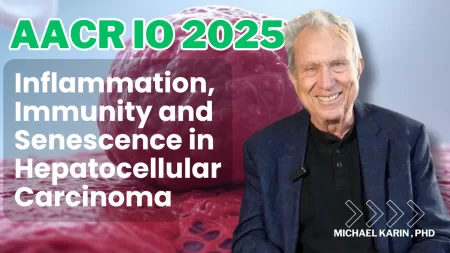
Thumbnail for a 2025 AACR IO presentation featuring Michael Karin, PhD, speaking on 'Inflammation, Immunity, and Senescence in Hepatocellular Carcinoma.' The image shows a smiling man in a blue suit jacket against a light background, with a red liver tissue graphic and bold green and white text reading 'AACR IO 2025' and the presentation title.

Hepatocellular Carcinoma Cancer Inflammation, Immunity and Senescence with Michael Karin, Phd AACR IO 2025

AACR 4 Mins Read
ASCO 2024 - Shubham Pant, MD, MBBS

Promising Phase 2 Results for Zanidatamab in HER2+ Biliary Tract Cancer: ASCO 2024 Update

ASCO Annual Meeting 2 Mins Read
Connect With Us on Social
  • Facebook
  • Twitter
  • LinkedIn
  • YouTube

Latest FDA Oncology Updates

Accepted for Review Oncology Press Release

FDA Accepts NDA for TLX101-Px (Pixclara®) - PR Newswire

FDA Accepts NDA for TLX101-Px (Pixclara®). (PRNewsfoto/Telix Pharmaceuticals ... cancer), and has assigned a PDUFA goal date of September 11, 2026 ...

Filed: Sep 11, 2026 View source on FDA.gov →
ODAC Meeting Oncology FDA ODAC

April 30, 2026: Meeting of the Oncologic Drugs Advisory Committee

Event Title. April 30, 2026: Meeting of the Oncologic Drugs Advisory Committee Meeting Announcement. April 30, 2026 · On This Page · Agenda · Meeting Materials.

Meeting: Apr 30, 2026 View source on FDA.gov →
PDUFA Date Oncology Press Release

Savara Announces the U.S. Food & Drug Administration (FDA) Has ...

Such statements include, but are not limited to, statements related to the target PDUFA action date. Savara may not actually achieve any of the matters ...

View source on FDA.gov →
Approval Heme FDA OCE

FDA approves nivolumab with chemotherapy for Hodgkin lymphoma

This review was conducted under Project Orbis, an initiative of the FDA Oncology Center of Excellence. Project Orbis provides a framework for concurrent ...

View source on FDA.gov →
News Oncology FDA OCE

FDA Oncology Center of Excellence Presents Conversations on ...

FDA Oncology Center of Excellence Presents Conversations on Cancer: Oncology Nurses - Frontliners in Oncology May 6, 2026.

View source on FDA.gov →
News Oncology FDA OCE

FDA Schedules Public Meeting on the Commissioner's National ...

... Oncology Center of Excellence, as well as a presiding officer. Requests to speak are due by April 24 at 11:59 p.m. The FDA is also soliciting written ...

View source on FDA.gov →
Approval GYN FDA.gov

FDA approves relacorilant with nab-paclitaxel for platinum-resistant epithelial ovarian, fallopian tube, or primary peritoneal cancer

On March 25, 2026, the Food and Drug Administration approved relacorilant (Lifyorli, Corcept Therapeutics Inc.), a glucocorticoid receptor antagonist, in combination with nab-paclitaxel for the treatment of adults with platinum-resistant epithelial ovarian, fallopian tube, or primary peritoneal cancer who have received one to three prior systemic treatment regimens, at least one of which included bevacizumab.

Approved: Mar 25, 2026 View source on FDA.gov →
Approval Heme FDA.gov

FDA approves nivolumab with chemotherapy for previously untreated Hodgkin lymphoma

On March 20, 2026, the Food and Drug Administration approved nivolumab (Opdivo, Bristol Myers Squibb Company) with doxorubicin, vinblastine, and dacarbazine (AVD) for adult and pediatric patients 12 years and older with previously untreated, Stage III or IV classical Hodgkin lymphoma (cHL).

Approved: Mar 20, 2026 View source on FDA.gov →
Recent Posts
  • Does QHS-5132 Signal a Biomarker-Agnostic Shift in Ovarian Cancer Treatment?
  • Is Alisertib the New Standard for Overcoming Resistance in KRAS G12C-Mutant NSCLC?
  • Can Zoldonrasib Redefine Treatment for KRAS G12D NSCLC?
  • Are We Under-Treating PE in Cancer Patients?
  • Is MammaPrint High Risk the New Standard for Guiding Immunotherapy?
X (Twitter) LinkedIn Facebook YouTube
  • FDA
  • Conferences
    • AACR
    • ASBRS
    • ASCO
    • SABCS
    • ASH
    • ESMO
    • MOASC
    • Upcoming Oncology Conferences
  • Cancers
    • Breast Cancer
    • Prostate Cancer Treatment
    • Lung Cancer Treatment
    • Gastrointestinal Cancer Treatment
    • Melanoma Skin Cancer Treatment
    • Non-Hodgkin Lymphoma
    • Kidney
    • Acute Lymphoblastic Leukemia
    • Acute Myelogenous Leukemia
    • Bone Metastases
    • Brain
    • Business Management
    • Cervical
    • Chronic Lymphocytic Leukemia
    • Chronic Myelogenous Leukemia
    • Colorectal
    • COVID-19
    • General
    • Genitourinary
    • Head and Neck
    • Help
    • Hematologic Malignancies
    • Hodgkin Lymphoma
    • Imaging
    • Immunotherapy
    • Liver
    • Lymphoma
    • Multiple Myeloma
    • Myeloproliferative Disease
    • News
    • Non-Small Cell Lung Cancer
    • Other
    • Ovarian
    • Pancreatic
    • Patient Resources
    • Pediatric
    • Sarcoma
    • Sickle Cell
    • Small Cell Lung Cancer
    • Supportive Care
    • Testicular
    • Urology
    • Uterine
  • About
  • Contact
  • Advertise
    • Advertising & Services – Media Kit 2025 OncologyTube.com
    • Oncology Press Release Distribution
© 2026 Copyright Protected Medicus Networks, Inc. Privacy Policy

Type above and press Enter to search. Press Esc to cancel.