


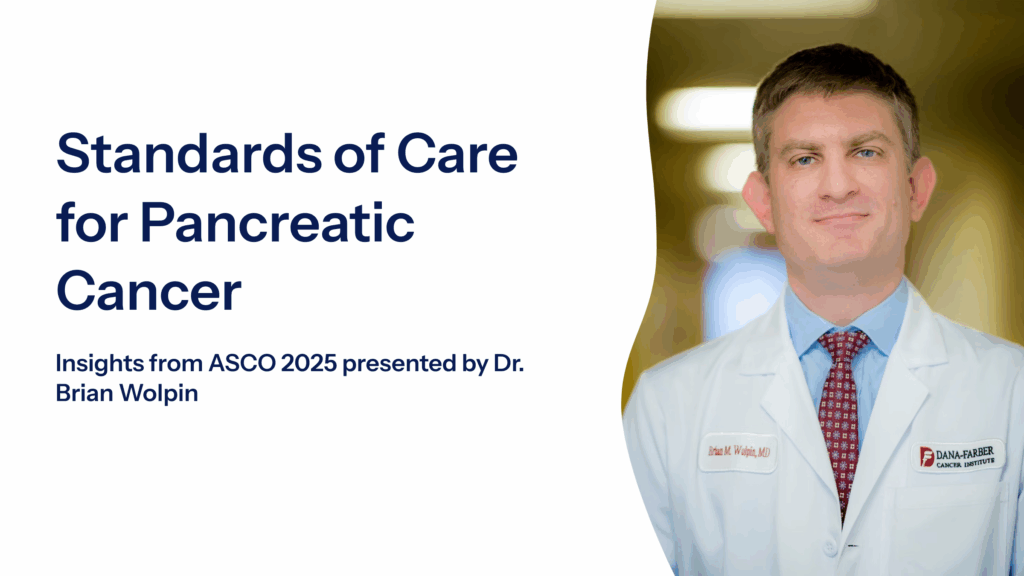
Introduction to Pancreatic Cancer Treatment at ASCO 2025
At the ASCO 2025 Annual Meeting, Dr. Brian Wolpin presented groundbreaking updates on pancreatic cancer treatment, specifically for pancreatic ductal adenocarcinoma (PDAC). For instance, these insights, shared by Dr. Amol Akhade on X, provide a clear roadmap for oncologists managing different stages of PDAC. In this post, we’ll break down the key findings from ASCO 2025. Additionally, we’ll share a concise video summarizing the current standards of care. Watch the video on OncologyTube.com to stay ahead in pancreatic cancer treatment strategies.
Watch the Video on Pancreatic Cancer Treatment Standards
The video highlights the latest pancreatic cancer treatment protocols presented at ASCO 2025. Specifically, it covers:
- Resectable and borderline resectable PDAC outcomes.
- Locally advanced PDAC treatment options.
- Metastatic PDAC survival data.
Key Findings from ASCO 2025 on Pancreatic Cancer Treatment
The ASCO 2025 presentation by Dr. Wolpin, summarized in the infographics shared on X (see link below), offers critical insights into PDAC management. Consequently, here’s what oncologists need to know about pancreatic cancer treatment in 2025.
Resectable & Borderline Resectable PDAC: PRODIGE 24 Trial
For resectable and borderline resectable PDAC, the PRODIGE 24 trial sets the standard. For example, neoadjuvant FOLFIRINOX for 24 weeks, followed by surgery, yields a median overall survival (OS) of 54 months—the highest in this category. Meanwhile, other regimens, such as gemcitabine-based therapies, achieve a median OS of 21–37 months. Thus, this approach demonstrates a significant survival advantage.
Locally Advanced PDAC: NEOPAN Trial Insights
Next, in locally advanced PDAC, the NEOPAN trial highlights FOLFIRINOX as a leading option, with a median OS of 15–16 months. On the other hand, gemcitabine-based regimens, like those in the LAPACT trial, range from 13 to 21 months depending on the protocol. As a result, the choice of therapy must balance efficacy with patient tolerability, especially since FOLFIRINOX can be more toxic.
Metastatic PDAC: NAPOLI-3 Trial Results
Finally, for metastatic PDAC, the NAPOLI-3 trial positions FOLFIRINOX as the first-line standard, offering a median progression-free survival (PFS) of 7.4 months and OS of 11.1 months. In contrast, gemcitabine plus nab-paclitaxel achieves a PFS of 5.6 months and OS of 9.2 months. Accordingly, FOLFIRINOX remains the preferred option despite its challenges with toxicity.
Why FOLFIRINOX Leads Pancreatic Cancer Treatment in 2025
Across all PDAC stages, FOLFIRINOX emerges as a cornerstone therapy in the ASCO 2025 guidelines. For instance, its superior survival outcomes make it a go-to choice for pancreatic cancer treatment. However, oncologists must carefully manage toxicity to optimize patient outcomes. In fact, the video emphasizes this balance, providing a visual guide to help clinicians make informed decisions.
Resources to Deepen Your Pancreatic Cancer Knowledge
For a deeper dive into pancreatic cancer treatment, visit ASCO.org to access the full ASCO 2025 guidelines. Alternatively, you can watch related videos on OncologyTube.com to stay updated on the latest oncology research. Moreover, if you’d like to review the original data, check out the infographics shared by Dr. Amol Akhade on X (see below).
Conclusion: Stay Ahead in Pancreatic Cancer Care
In summary, the ASCO 2025 updates on pancreatic cancer treatment provide a clear path forward for oncologists. By leveraging FOLFIRINOX and tailoring therapies to patient needs, clinicians can improve outcomes across PDAC stages. So, watch the video above, explore ASCO’s guidelines, and join the conversation on OncologyTube.com to advance your practice in pancreatic cancer care.
Related Links: