Close Menu
  • FDA
  • Conferences
    • AACR
    • ASBRS
    • ASCO
    • SABCS
    • ASH
    • ESMO
    • MOASC
    • Upcoming Oncology Conferences
  • Cancers
    • Breast Cancer
    • Prostate Cancer Treatment
    • Lung Cancer Treatment
    • Gastrointestinal Cancer Treatment
    • Melanoma Skin Cancer Treatment
    • Non-Hodgkin Lymphoma
    • Kidney
    • Acute Lymphoblastic Leukemia
    • Acute Myelogenous Leukemia
    • Bone Metastases
    • Brain
    • Business Management
    • Cervical
    • Chronic Lymphocytic Leukemia
    • Chronic Myelogenous Leukemia
    • Colorectal
    • COVID-19
    • General
    • Genitourinary
    • Head and Neck
    • Help
    • Hematologic Malignancies
    • Hodgkin Lymphoma
    • Imaging
    • Immunotherapy
    • Liver
    • Lymphoma
    • Multiple Myeloma
    • Myeloproliferative Disease
    • News
    • Non-Small Cell Lung Cancer
    • Other
    • Ovarian
    • Pancreatic
    • Patient Resources
    • Pediatric
    • Sarcoma
    • Sickle Cell
    • Small Cell Lung Cancer
    • Supportive Care
    • Testicular
    • Urology
    • Uterine
  • About
  • Contact
  • Advertise
    • Advertising & Services – Media Kit 2025 OncologyTube.com
    • Oncology Press Release Distribution
Advertisement
X (Twitter) LinkedIn Facebook
X (Twitter) LinkedIn Facebook YouTube
OncologyTube
  • FDA
  • Conferences
    • AACR
    • ASBRS
    • ASCO
    • SABCS
    • ASH
    • ESMO
    • MOASC
    • Upcoming Oncology Conferences
  • Cancers
    • Breast Cancer
    • Prostate Cancer Treatment
    • Lung Cancer Treatment
    • Gastrointestinal Cancer Treatment
    • Melanoma Skin Cancer Treatment
    • Non-Hodgkin Lymphoma
    • Kidney
    • Acute Lymphoblastic Leukemia
    • Acute Myelogenous Leukemia
    • Bone Metastases
    • Brain
    • Business Management
    • Cervical
    • Chronic Lymphocytic Leukemia
    • Chronic Myelogenous Leukemia
    • Colorectal
    • COVID-19
    • General
    • Genitourinary
    • Head and Neck
    • Help
    • Hematologic Malignancies
    • Hodgkin Lymphoma
    • Imaging
    • Immunotherapy
    • Liver
    • Lymphoma
    • Multiple Myeloma
    • Myeloproliferative Disease
    • News
    • Non-Small Cell Lung Cancer
    • Other
    • Ovarian
    • Pancreatic
    • Patient Resources
    • Pediatric
    • Sarcoma
    • Sickle Cell
    • Small Cell Lung Cancer
    • Supportive Care
    • Testicular
    • Urology
    • Uterine
  • About
  • Contact
  • Advertise
    • Advertising & Services – Media Kit 2025 OncologyTube.com
    • Oncology Press Release Distribution
Subscribe
OncologyTube
Home » Cancer Recurrence » NATERA GALAXY Study Links ctDNA Status to Survival & Treatment Response ESMO 2024
Colorectal

NATERA GALAXY Study Links ctDNA Status to Survival & Treatment Response ESMO 2024

EditorBy EditorSeptember 20, 2024Updated:June 28, 2025No Comments4 Mins Read
Twitter LinkedIn Facebook Email
Share
Twitter LinkedIn Facebook Email

Ask about FDA oncology approvals, clinical trials, and treatment guidelines.

The GALAXY Study has provided compelling data that highlights the predictive value of circulating tumor DNA (ctDNA) status in colorectal cancer outcomes. Using Natera’s Signatera test, this study offers oncologists key insights into how ctDNA can be used to monitor disease recurrence, guide therapy decisions, and potentially redefine patient management strategies.

Study Design and Participants

This large-scale study involved 2,240 patients with stage 2 to stage 4 colorectal cancer (CRC). The median follow-up period was 23 months, and the study focused on the predictive role of ctDNA status in assessing disease-free survival (DFS) and overall survival (OS). The Signatera test, a ctDNA-based minimal residual disease (MRD) test, was used for the evaluation of these patients, providing crucial data to oncologists on disease progression.

MRD Window Analysis Results

Among the participants, 15.6% were Signatera-positive, indicating detectable levels of ctDNA. This group demonstrated a stark contrast in outcomes, with 78% experiencing cancer recurrence. The disease-free survival rate for Signatera-positive patients dropped significantly over time, falling to just 20% at 24 months and 17% at 36 months.

Conversely, the 84.4% of patients who were Signatera-negative had much more favorable outcomes. Only 13% of these patients experienced recurrence. The disease-free survival rate for this group remained strong at 85% at 24 months and 84% at 36 months, underscoring the protective nature of a ctDNA-negative result.

Overall Survival Rates

The GALAXY study also revealed critical differences in overall survival between ctDNA-positive and ctDNA-negative patients. At 24 months, the survival rate was 84% for Signatera-positive patients compared to an impressive 99% for Signatera-negative patients. By 36 months, survival rates dropped to 72% for Signatera-positive patients and 96% for Signatera-negative patients.

This data, gathered from 1,791 patients for DFS analysis and 1,794 patients for OS analysis, underscores the predictive power of ctDNA in determining patient outcomes. Notably, Signatera-positive patients were found to be 34 times more likely to experience cancer recurrence compared to their Signatera-negative counterparts.

Prognostic Factors

Multivariate analysis identified several key prognostic factors for both disease-free survival and overall survival:

  • ctDNA Status: The strongest predictor of outcomes. A positive ctDNA status correlates with significantly worse DFS and OS.
  • Genetic Mutations: The presence of mutations such as BRAF V600E and RAS was linked to poorer survival outcomes.
  • Lymph Node Status: Patients with lymph node positivity also showed significantly worse DFS and OS compared to those with node-negative disease.

Clinical Implications

These findings have profound implications for clinical practice:

  • For MRD-negative patients, ctDNA status may support observation-only strategies, potentially sparing patients from unnecessary adjuvant chemotherapy.
  • For MRD-positive patients, ctDNA status may guide oncologists toward more aggressive interventions, such as adjuvant chemotherapy, to reduce the risk of recurrence.

Future Directions

The results of the GALAXY study point to several important future directions for research and clinical practice:

  • Randomized trials are essential to validate the de-escalation or omission of chemotherapy in ctDNA-negative patients.
  • The CIRCULATE-Japan Vega Protocol is currently investigating the potential to randomize ctDNA-negative patients to either adjuvant chemotherapy or observation-only protocols, offering the possibility of more personalized treatment approaches.
  • Finally, ctDNA has the potential to serve as a surrogate endpoint in drug approval trials, opening up new opportunities for the evaluation of cancer therapies and their effectiveness.

Conclusion

The GALAXY study’s comprehensive analysis of ctDNA status in colorectal cancer patients delivers vital information that can reshape oncological care. By integrating ctDNA testing into routine practice, oncologists can make more informed decisions about treatment intensity, recurrence monitoring, and patient outcomes. These findings not only provide immediate clinical implications but also pave the way for more personalized cancer care in the future.

External Links:

First of its Kind Colorectal Cancer Data from Prospective GALAXY Study Released at ESMO; Demonstrates Signatera’s Ability to Predict Overall Survival: https://www.natera.com/company/news/first-of-its-kind-colorectal-cancer-data-from-prospective-galaxy-study-released-at-esmo-demonstrates-signateras-ability-to-predict-overall-survival/

OncologyTube Links:

How Are CtDNA Tests Being Used? 5 Top MRD Experts.
How can ctDNA testing inform patient care?
Nateras-GALAXY-Study-ctDNA-Status-Predicts-CRC-Outcomes (1)Download

Cancer Recurrence Colorectal Cancer ctDNA Disease-Free Survival GALAXY Study Minimal Residual Disease (MRD) Natera Overall Survival Signatera Test
Follow on X (Twitter) Follow on LinkedIn Follow on Facebook Follow on Google News
Share. Twitter LinkedIn Facebook Email

Related Posts

Dr. Joshua G. Cohen, MD, City of Hope - 2026 Cancer Breakthroughs at MOASC Summit

2026 Cancer Breakthroughs: Dr. Joshua Cohen’s Top Takeaways from the MOASC Summit

Breast Cancer 4 Mins Read
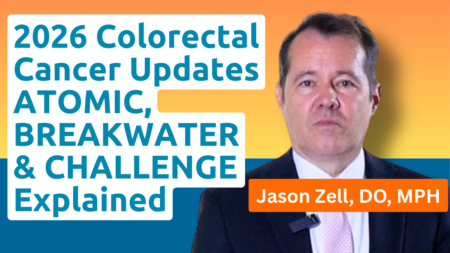
2026 Colorectal Cancer Updates ATOMIC BREAKWATER CHALLENGE trials explained by Dr. Jason Zell DO MPH at MOASC

Colorectal Cancer Updates 2026: ATOMIC, BREAKWATER & CHALLENGE Trials

Colorectal 3 Mins Read
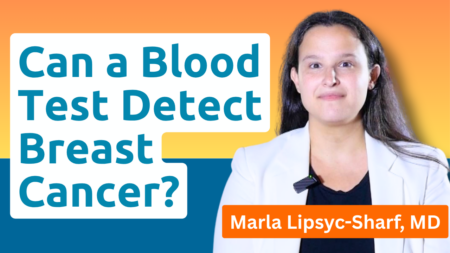
ctDNA blood test detects breast cancer recurrence years early via MRD surveillance – Dr. Marla Lipsyc-Sharf, MD presentation

ctDNA Blood Test Catches Breast Cancer Recurrence Years Early

Breast Cancer 4 Mins Read
Connect With Us on Social
  • Facebook
  • Twitter
  • LinkedIn
  • YouTube

Latest FDA Oncology Updates

Accepted for Review Oncology Press Release

FDA Accepts NDA for TLX101-Px (Pixclara®) - PR Newswire

FDA Accepts NDA for TLX101-Px (Pixclara®). (PRNewsfoto/Telix Pharmaceuticals ... cancer), and has assigned a PDUFA goal date of September 11, 2026 ...

Filed: Sep 11, 2026 View source on FDA.gov →
ODAC Meeting Oncology FDA ODAC

April 30, 2026: Meeting of the Oncologic Drugs Advisory Committee

Event Title. April 30, 2026: Meeting of the Oncologic Drugs Advisory Committee Meeting Announcement. April 30, 2026 · On This Page · Agenda · Meeting Materials.

Meeting: Apr 30, 2026 View source on FDA.gov →
PDUFA Date Oncology Press Release

Savara Announces the U.S. Food & Drug Administration (FDA) Has ...

Such statements include, but are not limited to, statements related to the target PDUFA action date. Savara may not actually achieve any of the matters ...

View source on FDA.gov →
Approval Heme FDA OCE

FDA approves nivolumab with chemotherapy for Hodgkin lymphoma

This review was conducted under Project Orbis, an initiative of the FDA Oncology Center of Excellence. Project Orbis provides a framework for concurrent ...

View source on FDA.gov →
News Oncology FDA OCE

FDA Oncology Center of Excellence Presents Conversations on ...

FDA Oncology Center of Excellence Presents Conversations on Cancer: Oncology Nurses - Frontliners in Oncology May 6, 2026.

View source on FDA.gov →
News Oncology FDA OCE

FDA Schedules Public Meeting on the Commissioner's National ...

... Oncology Center of Excellence, as well as a presiding officer. Requests to speak are due by April 24 at 11:59 p.m. The FDA is also soliciting written ...

View source on FDA.gov →
Approval GYN FDA.gov

FDA approves relacorilant with nab-paclitaxel for platinum-resistant epithelial ovarian, fallopian tube, or primary peritoneal cancer

On March 25, 2026, the Food and Drug Administration approved relacorilant (Lifyorli, Corcept Therapeutics Inc.), a glucocorticoid receptor antagonist, in combination with nab-paclitaxel for the treatment of adults with platinum-resistant epithelial ovarian, fallopian tube, or primary peritoneal cancer who have received one to three prior systemic treatment regimens, at least one of which included bevacizumab.

Approved: Mar 25, 2026 View source on FDA.gov →
Approval Heme FDA.gov

FDA approves nivolumab with chemotherapy for previously untreated Hodgkin lymphoma

On March 20, 2026, the Food and Drug Administration approved nivolumab (Opdivo, Bristol Myers Squibb Company) with doxorubicin, vinblastine, and dacarbazine (AVD) for adult and pediatric patients 12 years and older with previously untreated, Stage III or IV classical Hodgkin lymphoma (cHL).

Approved: Mar 20, 2026 View source on FDA.gov →
Recent Posts
  • Does QHS-5132 Signal a Biomarker-Agnostic Shift in Ovarian Cancer Treatment?
  • Is Alisertib the New Standard for Overcoming Resistance in KRAS G12C-Mutant NSCLC?
  • Can Zoldonrasib Redefine Treatment for KRAS G12D NSCLC?
  • Are We Under-Treating PE in Cancer Patients?
  • Is MammaPrint High Risk the New Standard for Guiding Immunotherapy?
X (Twitter) LinkedIn Facebook YouTube
  • FDA
  • Conferences
    • AACR
    • ASBRS
    • ASCO
    • SABCS
    • ASH
    • ESMO
    • MOASC
    • Upcoming Oncology Conferences
  • Cancers
    • Breast Cancer
    • Prostate Cancer Treatment
    • Lung Cancer Treatment
    • Gastrointestinal Cancer Treatment
    • Melanoma Skin Cancer Treatment
    • Non-Hodgkin Lymphoma
    • Kidney
    • Acute Lymphoblastic Leukemia
    • Acute Myelogenous Leukemia
    • Bone Metastases
    • Brain
    • Business Management
    • Cervical
    • Chronic Lymphocytic Leukemia
    • Chronic Myelogenous Leukemia
    • Colorectal
    • COVID-19
    • General
    • Genitourinary
    • Head and Neck
    • Help
    • Hematologic Malignancies
    • Hodgkin Lymphoma
    • Imaging
    • Immunotherapy
    • Liver
    • Lymphoma
    • Multiple Myeloma
    • Myeloproliferative Disease
    • News
    • Non-Small Cell Lung Cancer
    • Other
    • Ovarian
    • Pancreatic
    • Patient Resources
    • Pediatric
    • Sarcoma
    • Sickle Cell
    • Small Cell Lung Cancer
    • Supportive Care
    • Testicular
    • Urology
    • Uterine
  • About
  • Contact
  • Advertise
    • Advertising & Services – Media Kit 2025 OncologyTube.com
    • Oncology Press Release Distribution
© 2026 Copyright Protected Medicus Networks, Inc. Privacy Policy

Type above and press Enter to search. Press Esc to cancel.